

H195/L100/W50
1,225,000 UZS
Metal shelving needs very little care: wipe it with a damp cloth and a mild detergent, dry it with a clean cloth and inspect it regularly. Abrasive powders, wire brushes and solvents damage the paint, and moisture makes scratched spots rust.
| When | What to do |
|---|---|
| Every day | Wipe spills off shelves straight away, keep the floor and aisles clear |
| Every week | Dust the shelves, put price holders and stoppers back in place |
| Every month | Inspection: shelves, uprights, hooks, floor and load (checklist below) |
| Every season | Take the goods off, wash the shelves fully and dry them |
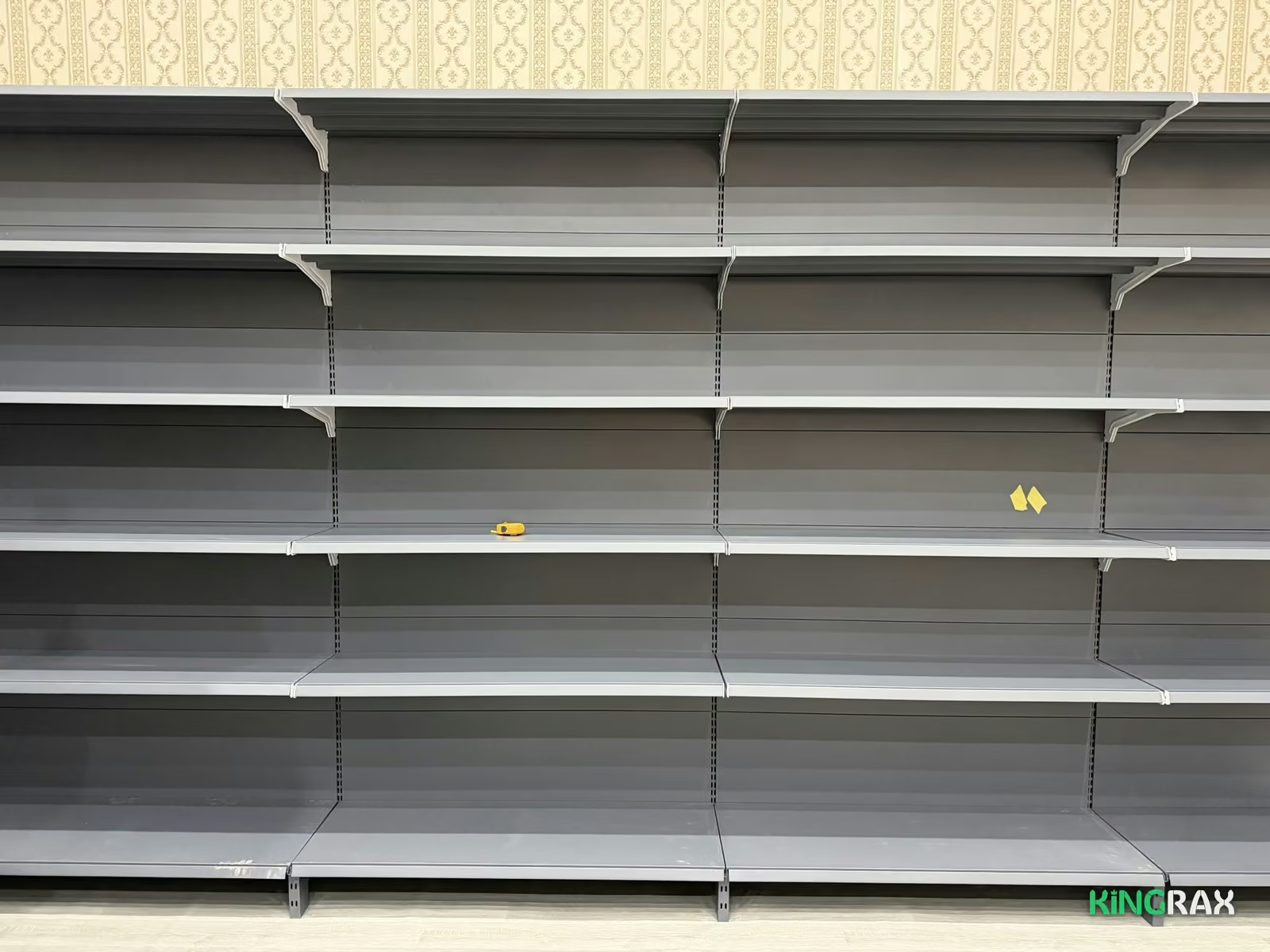
Shelving is for use in a dry room: use in a damp place or outdoors is not covered by the warranty. Small scratches and scuffs are normal in use and are not covered by the warranty either, but if a scratched spot gets wet, rust can appear. So keep such spots dry.
If you notice a problem, first take the load off the shelf, then find the cause. All the rules: Assembling and using shelving safely.
When the goods change, you can change the shelf height. Do it the right way:
If you want to move the shelving to another place, call first: the warranty does not apply to shelving moved and reassembled elsewhere. Installation service: Measuring and Installation.
Each level of a warehouse rack is a front and a back beam with shelf panels on top. During the monthly check, make sure the beams are fully seated in the uprights and the panels lie flat on the beams. Do not hit uprights with a trolley; if one was hit, inspect it at once. About warehouse racks: Choosing warehouse shelving.
The warranty lasts 12 months. If within that time the shelving cannot carry the stated load — a shelf or the structure bends or breaks — KingRax fixes the defect free of charge. To make a claim, call +998 77 131-24-44, give the warranty card number and send a photo or video of the fault. Details: Shelving warranty; card check: Check a Warranty Card.
Wipe the shelving with a mild product and keep it dry, inspect it once a month, and change shelf heights only on an empty shelf. That way it lasts a long time and the warranty stays valid.


Enter the length of a wall or a row to see which shelving fits and what it costs. You can also get a rough layout from the room size.

